Thinking of recruiting some extra staff this year?
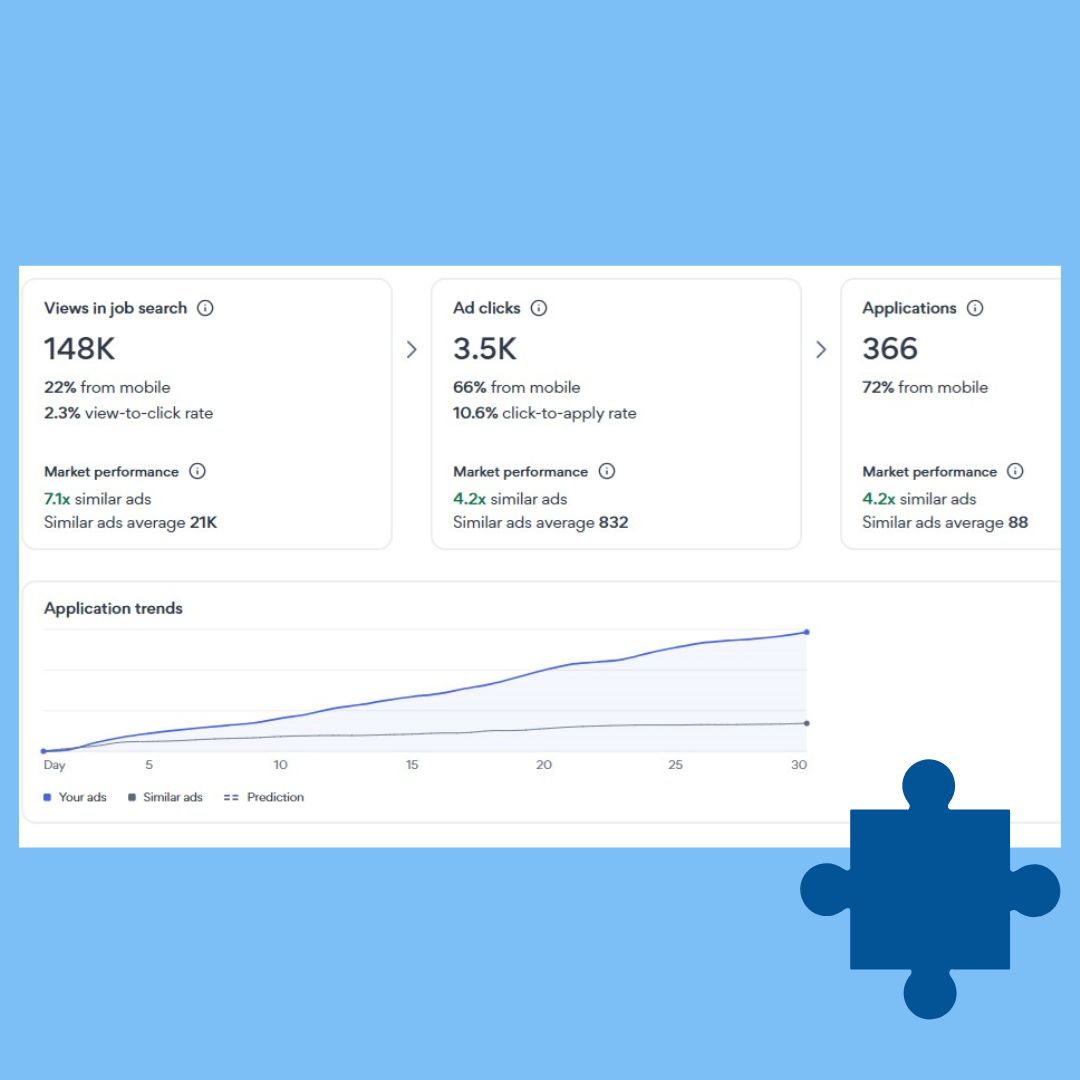
I just hired a new team member from 366 applicants. Here’s the wild part: she stood out from the very first interaction.
In my local business, we’ve booked more than 29,000 events.
So, I know that in high‐turnover, youth-oriented entertainment businesses, staffing gaps mean lost energy, disappointed participants, possible safety risks, and potential brand reputation damage. If you’re an owner or manager running a summer camp or laser-tag facility, you know: your “crew” is the frontline.
They bring the buzz, manage the gear, guide the teams, keep the game on schedule, and deliver the experience. Getting the right people, and keeping them, is absolutely mission-critical. And that’s where this playbook comes in.
This playbook offers seven strategic ways to solve the staffing puzzle and build a reliable, engaged squad ready to deliver epic laser-tag and adventure gaming experiences.
It can be challenging to recruit seasonal workers, especially young people, for part-time or casual jobs. Let’s dive into the seven “puzzle parts” that will help you recruit and select the right crew.
So, you can focus on delivering epic experiences, not firefighting staffing gaps.
Before you hit the field, you need to define your mission.
Clarify the role: In a live‐action gaming or laser tag context, you may call it “Game Crew Member”, “Arena Marshal”, “Laser Tag - Event Host”, etc.
What’s the job?
Preparing the gear (the commercial laser tag equipment), conducting a safety briefing, facilitating team entry/exit, monitoring game flow, managing resets, cleaning and resetting zones, supervising players, engaging with teens, ensuring friendly but firm behavior, and handling unexpected issues.
Spell it out so applicants know exactly what they’re signing up for. Define your ideal candidate:
Are you looking for high-energy teens or early 20s who already love gaming and want to learn how to relate to kids and teens? Or someone more mature with leadership experience?
Do they need previous event-crew experience? Or someone with experience in the hospitality, youth, or recreation industries?
What selection criteria are really needed? Do they need a driver’s license? If you run a mobile service or a delivery service, specify the type of driver’s license the employee will need.
We’ve found that sports coaches and trainee teachers are a great fit for our crew. We don’t need a university Master's. But we do need someone with the ability to carry objects up to 16kg and handle dynamic environments. Someone energetic and reliable. Attitude vs experience: Many staffing studies show that in youth-entertainment and hospitality sectors, attitude (reliability, willingness, cultural fit) often trumps years of experience.
For example, a 2023 report found the average Australian employee turnover rate was around 12% in the 12 months to April 2023, with 20% of organizations seeing 20%+ turnover. Yikes! That means you’re hiring into a role where staying power isn’t guaranteed, so attitude and fit are key.
OUTCOME: At the end of this step, you should have a clear target profile and strategy, along with a written position description and job specification.
This includes items such as:
Plus, a strategy for where you’ll find them (see next puzzle part).
Post your job ad on platforms: Use platforms like SEEK and Indeed (or local equivalents) to reach active job-seekers.
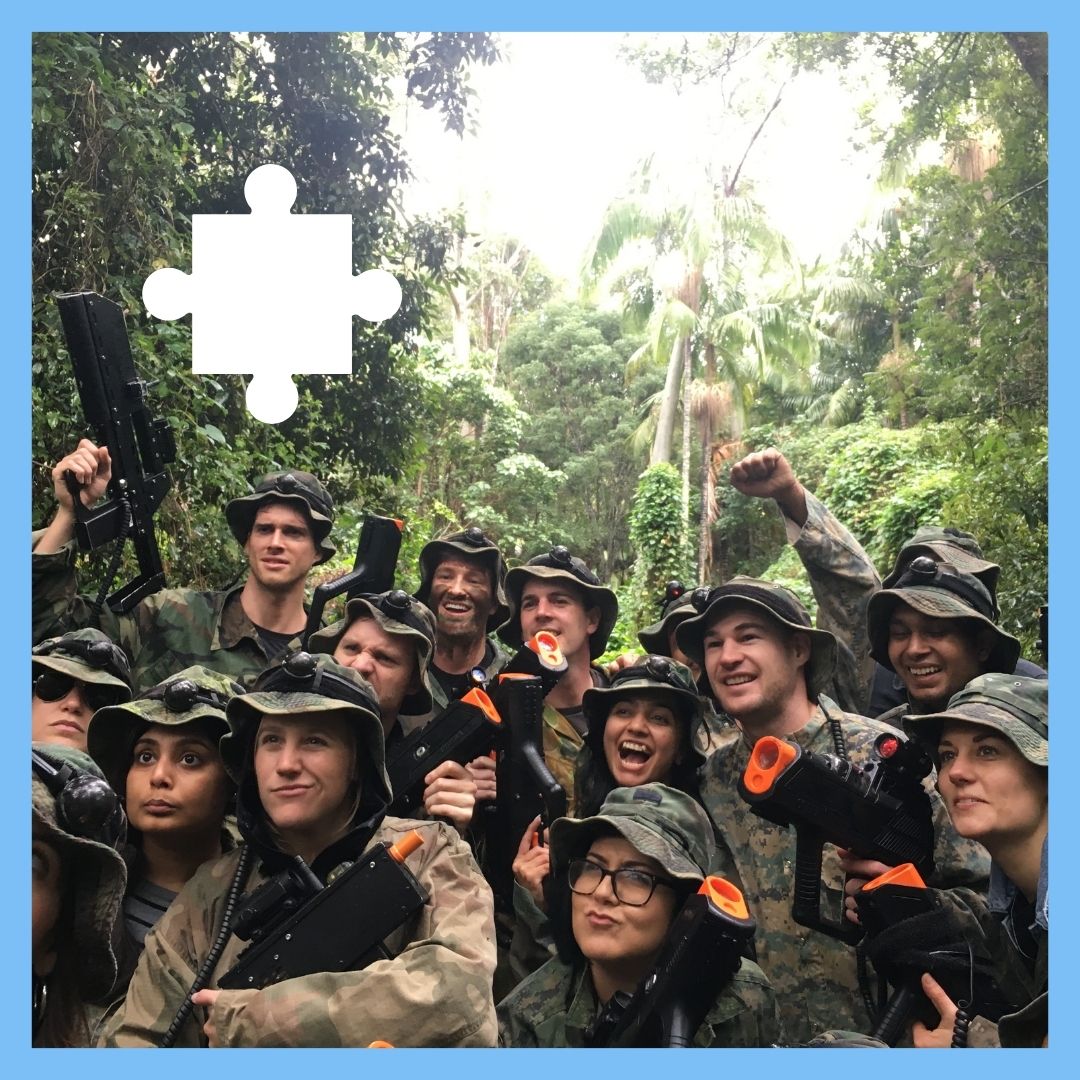
Promote via social media: Your audience might be younger workers, so post on Facebook, Instagram, and maybe even TikTok. A short video of your crew’s camaraderie at laser-tag events could be compelling. LinkedIn is fine too, but less likely to catch weekend-crew teens.
Leverage your current team’s networks: Ask your existing crew, “Know someone who’s a great fit?”
Referral hiring often yields a better fit and higher retention because someone puts their name on the line.
Brand your recruitment: Emphasize the unique vibe, for example: “Join our squad delivering epic laser-tag and live-action gaming events. Work outdoors, engage with kids & teens”.
Include words and phrases in the job ad and your socials that your applicants are likely to be using to search for. SEEK.com.au just released the top search terms by industry in 2025. For example, in Hospitality & Tourism, people search for, not surprisingly, “hospitality jobs.” But they also search for “casual jobs.”
In the Sport & Recreation section, job search terms included “Sport Jobs” and “no experience required jobs.”
“Understanding what others in your industry are searching for on SEEK – and the way that they’re searching – will help you get the most out of your job search,” said the Seek team. (Source: https://www.seek.com.au/career-advice/article/what-are-people-looking-for-on-seek)
OUTCOME: You should have a pool of interested & aligned applicants—people who responded because they like the energy, are comfortable with weekends and outdoors, and see this as more than a casual job.
Filter applications for mission-fit: Do they mention event experience (this could be paid or voluntary), enthusiasm for live-action gaming, or weekend/early start availability?
Category sorting: Create bins: “Not suitable” (lack basic criteria) and “Might be suitable”. It’s easy to list skills on a CV. People can write what they think you want to hear.
Or worse, slapdash any old thing on paper to tick and flick or check a box and move on.
Summer Camp owners tell me that finding staff with the right attitude is harder than finding staff with the right skills.
It’s much harder to sift through the “wannabes” and find the true champs. Send a realistic-job-preview “scary message”: This is a critical step often neglected. The role may involve early starts, long hours, outdoor weather, weekend duty, constantly moving, resetting the commercial laser tag equipment between sessions, and interacting with high-energy kids and teens.
This gives the applicant a reality check and helps weed out those who aren’t truly interested. In Australia, people on social security (aka the Dole) must apply for a certain number of jobs every month to continue to get welfare.
It is also a good way to check if the application is fake.
According to CNBC’s Huge Son, the rise of AI-generated profiles means that by 2028, globally, 1 in 4 job candidates will be fake, according to research and advisory firm Gartner. (Source: https://www.cnbc.com/2025/04/08/fake-job-seekers-use-ai-to-interview-for-remote-jobs-tech-ceos-say.html)
The risk to a company from employing a fake job seeker can vary. As casual hires working in the forest without internet or Wi-Fi, it is unlikely that they will install malware or steal customer data; they may simply be taking a job that they don’t have an appropriate Visa for, so they collect a salary that they wouldn’t otherwise be eligible for.
OUTCOME: The applicant pool now holds only those who are genuinely interested and understand the job. Fewer surprises later, better retention.
Do the 5-minute phone call: Make it friendly and conversational, but focused. Questions to ask: For example, ask “What attracted you to this job?” (Listen for genuine interest in gaming or sports, and for your crew role rather than “I just need any job”.)
What you’re assessing: Verbal communication skills, enthusiasm, attitude, cultural fit, flexibility.
You’re testing whether this person can hold a brief conversation, express themselves, and have the potential to be part of the front-line crew.
Again, just as in the previous puzzle part, be on the lookout for signs that the applicant is enthusiastic and a likely good fit for your team.
Because when you’re building a small, passionate team, you’re not just filling a role, you’re adding a person who contributes to your culture.
OUTCOME: You now have a candidate who has been vetted for the next stage. Someone you believe could thrive, who ticks core boxes, and fits your culture.
Interview structure: A mix of standard and left-field questions.
For example: Standard Question: “Tell me about a time you worked in a team and something went wrong—how did you handle it?”
Left-field Question: “Imagine there's a gaggle of kids. They are making a lot of noise and running around. You are responsible for them. But they are not hurting anyone or breaking anything. What do you do?”
Big final question: “If we were to offer you this position, can I get your promise that you will stay for at least 12 months?” This is a bold question, but helpful. Given industry turnover, asking for a commitment frames expectation and helps anchor their mindset.
OUTCOME: You end this stage with a shortlist of inspiring candidates. People who can, in your opinion, deliver, fit your culture, and are (you hope) likely to stay.
Call and ask:
Why it matters: You’ve assessed attitude and fit. But references give you independent verification. Many businesses underestimate the cost of turnover: one study noted many organizations didn’t even measure the financial cost of losing an employee.
Checking referees helps reduce that risk. It is vital to have a phone conversation about the candidate, not just send an email or fill out an online form. You can often glean more from the referee’s tone of voice, communication pauses, and para-language than the actual words they use.
OUTCOME: You have independent verification of your shortlisted candidate’s suitability and readiness.
Now bring them on board properly. Written offer: Issue a formal offer letter, ask for written acceptance. Precise start date, role, hours, pay, conditions (weekends, early starts, outdoors). We use an app called “When I Work” to roster staff. It's a rostering, time tracking, and messaging smartphone app. It lets employees view their schedules, see who else is working, trade shifts with others, and clock in and out. This helps us track hours worked for payroll. Better still, we can also communicate with the team using its messaging feature.
Complete paperwork: Tax, banking, superannuation (in Australia), employment contract, safety induction forms, and code of conduct. Issue crew uniform: Your team is part of the brand.
Ensure your uniforms or branded gear are ready ahead of the first shift (T-shirts, high-vis vests if needed, name badges, game-crew lanyards, etc.).
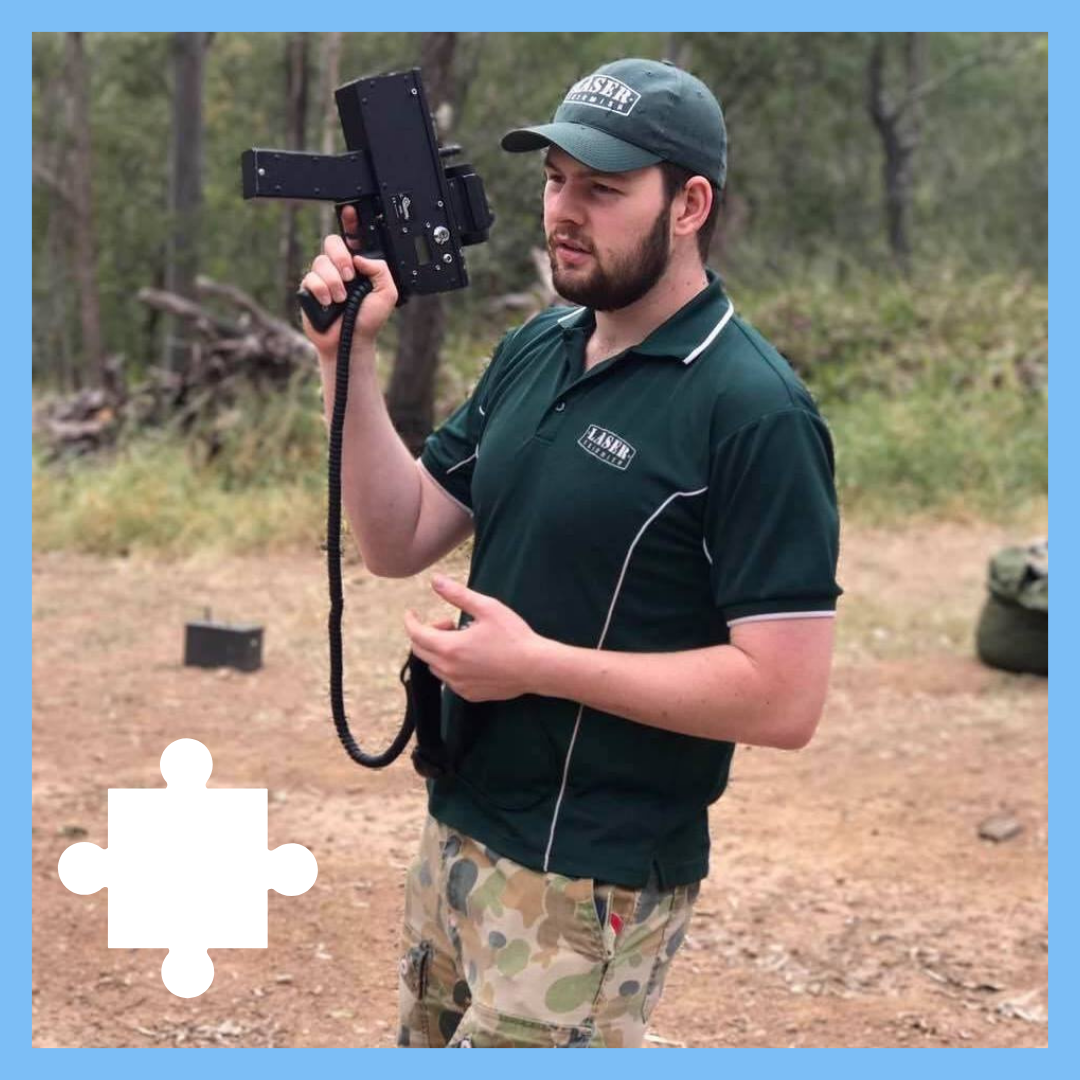
Welcome them: The first shift should include a buddy system with an experienced crew member, a walk-through of the commercial laser-tag equipment (how to power it up, reset the software settings, reset the game props), safety protocols, the event schedule, and more.
Emphasize culture: Such as: “We’re the crew that makes the magic happen. You are the face of the brand. Keep the energy high. Keep our players safe. Ensure they have fun.”
OUTCOME: Your new hire is ready to go for their first shift, integrated into the team, aligned with your mission, and excited.
In laser tag businesses, staff turnover and recruitment difficulties are real challenges.
According to the Australian Bureau of Statistics, young Australians are half as likely to switch jobs as their bosses were at the same age. The latest figures for 2025 show that just 8% of employed people changed employer or business this year, down from about 13% in the mid-1990s. But younger workers (those more likely to take up your laser tag casual or part-time offer) were more mobile than older workers, with 12% of people aged 15 to 24 years changing jobs. (Source: https://www.abs.gov.au/statistics/labour/jobs/job-mobility/latest-release)
These numbers underscore the challenge: you’re competing in a labor market where young workers frequently change jobs, and staffing shortages can directly affect your experience delivery.
By implementing a structured recruitment & selection process as outlined above, you mitigate risk, build a stronger crew base, and ensure that when those kids and teens walk into your arena or zone, your squad is ready, reliable, and aligned with the mission.
Also, remember: if, as a live-action gaming enterprise, you’re not just hiring staff, you’re hiring people who will help make memories and mark milestones. Their ability to interact with the players, and their stakeholders (like Mom & Dad or Teachers and Educators), and keep the energy high, underpins the experience. A strong selection process ensures you don’t end up with crew members who see the commercial laser tag experience as a headache rather than an asset.
So next Saturday morning, when you’re opening the gates to your adventure park for a big laser-tag event. A team of kids and teens floods in, and your staff springs into action. Consider whether your demand for live-action gaming events is up. As well as your forest venue, are people texting and asking whether you can run a mobile event in the town nearby?
Do you want to run multiple gigs at once? When you realize you are going to need more staff, consider these seven pieces of the recruitment and selection puzzle. Recruitment and selection in the world of live-action gaming, adventure parks, and summer camps is both an art and a science. You’re hiring people who will deliver high-energy, safe, memorable experiences for kids and teens, and yes, a few adults too.
The wrong hire or a gap on a big day doesn’t just cost wages; it can cost brand reputation.
By following the seven puzzle-parts: gather intel, cast a wide net, screen, do phone interviews, engage & evaluate, check referees, onboard, then you will build a mission-ready squad. It is possible to reduce turnover, increase fit, and ensure those high-octane events run smoothly. When you align roles, screen smartly, and invest in onboarding, you protect your biggest asset: your people. Ready to build your recruitment playbook and mission-ready squad for your next laser tag season? Because great hires don’t just tick boxes. They raise the bar.
Bookings down? Start the 1 minute Adventure Quiz
©2026 All rights reserved
GDPR (General Data Protection Regulation): A European law that helps protect people’s personal data and privacy. It sets guidelines for how organizations handle personal information and gives individuals rights to access, correct, or delete their data.
Necessary
A session cookie is a temporary cookie used to maintain user activity during a browsing session and is deleted when the browser is closed.
GDPR CookieSession cookie (GDPR): A temporary cookie used only to enable essential website functionality during a user’s session and deleted when the browser is closed.
Functional
Used to provide live chat and customer support functionality, allowing visitors to communicate with our team in real time.
Used to manage and deploy website tags from one place. Google Tag Manager itself does not collect personal data, but it may load other tools that do.
Tracking
Used to collect anonymous information about how visitors use our website, such as pages visited and time spent on the site. This helps us improve website performance and user experience.
Marketing - Section