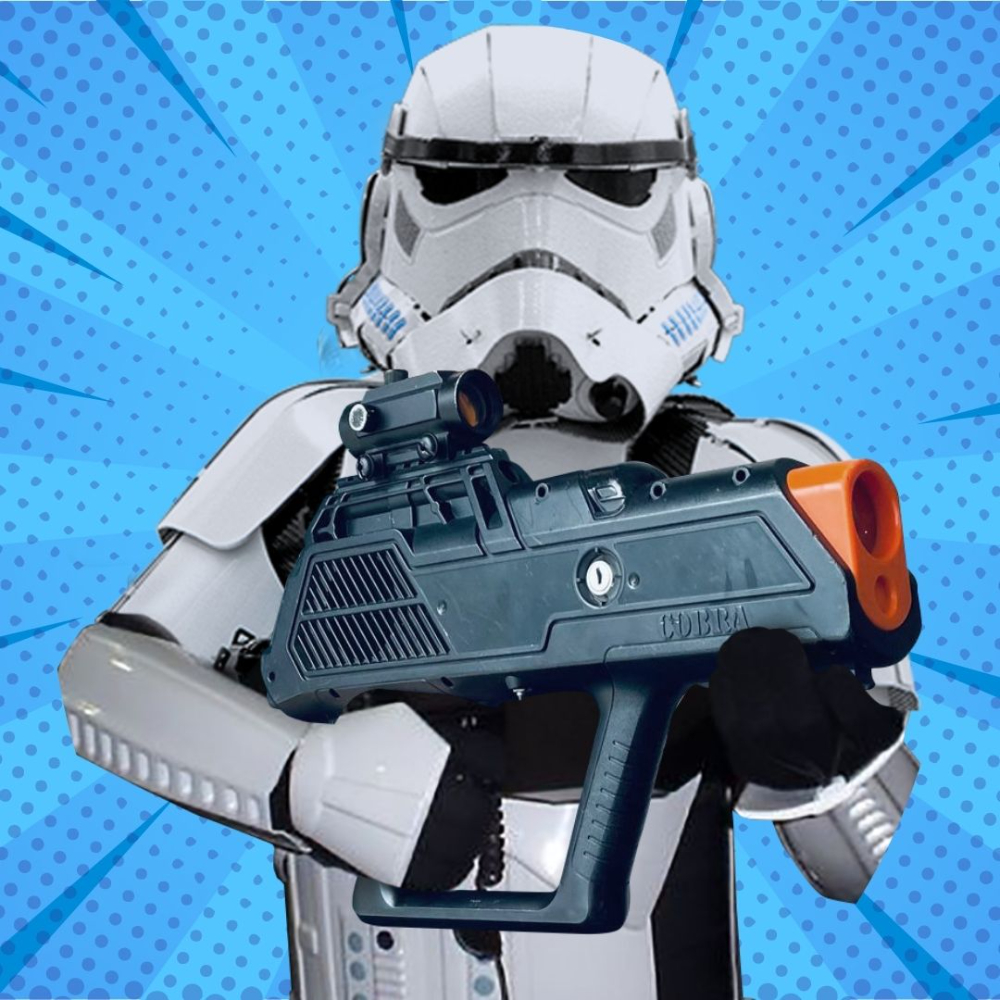
A generation or two ago, you would have found geeks slowly moving through comic shops or secondhand bookstores, reading among the musty covers. They might have been secluded in their parents' basements or avoiding eye contact in school hallways to escape the taunts of local bullies.
Back then, it took a lot of effort to fully immerse yourself in geek culture. You were teased for being a Trekkie or loving Dungeons & Dragons.
But with the explosion of superhero movies, comic book conventions, and big-budget fantasy TV shows, it’s now cool to be a geek.
Many famous blockbusters have been based on comics: from the obvious Batman, Superman, and X-Men to the gritty Aliens vs. Predator.
The hit show Stranger Things helped put Dungeons & Dragons back on the map as a mainstream hobby.
The Harry Potter franchise is another powerhouse, with massive success that continues to this day. Theme parks around the world have Wizarding World attractions, drawing huge crowds of fans young and old.
The Lord of the Rings movies were so popular they sparked spin-offs from J.R.R. Tolkien’s other works: The Hobbit movies and The Rings of Power — both prequels.
Then there are the TV shows: The Walking Dead and Game of Thrones have inspired a generation to embrace fantasy, horror, and zombie culture.
Rachel Riga reported that Louise Bolland, an 18-year-old university student and full-time fangirl, says the concept of "geek" has changed because it’s now become socially accepted.
Local nerds flock to gamer-centered entertainment. (Pictured: members of SMACK UQ, short for "Super Manga Anime Culture Kingdom" of the University of Queensland, playing Laser Skirmish in Brisbane, Australia.)
"It appeals so much to people because it’s an escape from normal mundane life," Louise says. "I go to Supanova because it’s a place where I can find people who share my interests and hang out with friends, as well as see the cool things people create related to fandoms."
Pop culture now has a special forum in conventions and expos celebrating all things fantasy and sci-fi, from cosplay to collectibles. Influential YouTubers and TikTokers report on geek news and the latest releases, keeping fandom alive and thriving.
Ace Comics store manager Pol Rua says the appeal of costumed role-play is the ability to transform into another identity.
"There’s this idea that if you’re wearing a mask, you can be anybody," he says.
Battlefield Sports co-founder Nicole Lander agrees:
"There’s an appeal to becoming a hero for a day."
When laser tag first started 30 years ago, it was super geeky. And like many geeky hobbies, it’s now been embraced by the mainstream.
Today’s game looks very different from the first commercial laser tag arena, Photon, which opened in Texas in 1984.
The laser tag concept has evolved to facilitate "live action gaming," letting gamers experience their favorite video games, for real. (Check out this awesome Warhammer event featuring customized taggers and the nerds who played with them!)
"When playing outdoor laser tag or cosplaying, gamers can drop the nerd mantle and step into the identity of a superhero," Nicole says.
QUT media and communications lecturer Dr. Sternberg adds:
"The appeal of fantasy is that the superhero is often the alter ego of the nerd. That has a lot of appeal, and it gives conventions like Comic-Con and Supanova the chance to bring like-minded people together to celebrate their identity as nerds."
Live-action Gaming has entertained gamers at major pop culture events, including Supanova, the Zombie Walk, and GenCon.
As actor Wil Wheaton (famous for his role in Star Trek) once said in a viral video:
"Being a nerd is awesome. Being a nerd or a geek... it’s not about what you love, it’s about how you love it."
So, embrace your inner geek! Track down your local live-action gaming crew at the next pop culture con near you!
According to Bmag, the geek movement is helping turn introverts into extroverts. It's helping shy wallflowers express themselves and overcome social anxiety through cosplay.
For those new to the term, cosplay is a mashup of "costume" and "play." It’s where participants wear costumes and accessories to represent a specific character or idea from manga, anime, comic books, video games, or movies.
One famous cosplayer who has also played our brand of laser tag is Raychul Moore. Here she’s pictured in her Vault-Tec cosplay from the Fallout games, alongside a friend.
Geek culture didn't just go mainstream. It built an entire economy around it. Comic-Con draws six-figure crowds.
Wizarding World theme parks pack out year-round. Cosplay conventions sell out arenas. And at the center of it all is a simple, universal desire: the chance to become the hero, not just watch one. That's the demand live-action gaming lets you tap into.
Whether you're running a summer camp, an adventure park, or a sports center, live-action gaming turns that same cultural appetite, the one filling Comic-Con halls worldwide, into a recurring, bookable experience for your business.
See how operators are building thriving businesses around the live-action gaming trend with equipment, training, and support built in from day one. Start with the 1-minute Adventure Quiz.
Are you ready to arm yourself for adventure? Take the Quiz
©2026 All rights reserved
GDPR (General Data Protection Regulation): A European law that helps protect people’s personal data and privacy. It sets guidelines for how organizations handle personal information and gives individuals rights to access, correct, or delete their data.
Necessary
A session cookie is a temporary cookie used to maintain user activity during a browsing session and is deleted when the browser is closed.
GDPR CookieSession cookie (GDPR): A temporary cookie used only to enable essential website functionality during a user’s session and deleted when the browser is closed.
Functional
Used to provide live chat and customer support functionality, allowing visitors to communicate with our team in real time.
Used to manage and deploy website tags from one place. Google Tag Manager itself does not collect personal data, but it may load other tools that do.
Tracking
Used to collect anonymous information about how visitors use our website, such as pages visited and time spent on the site. This helps us improve website performance and user experience.
Marketing - Section